46,XX DSD (нарушение развития пола) · 46,XX · DSD-C028
IMG577ad8f83036af · 2892 × 3849
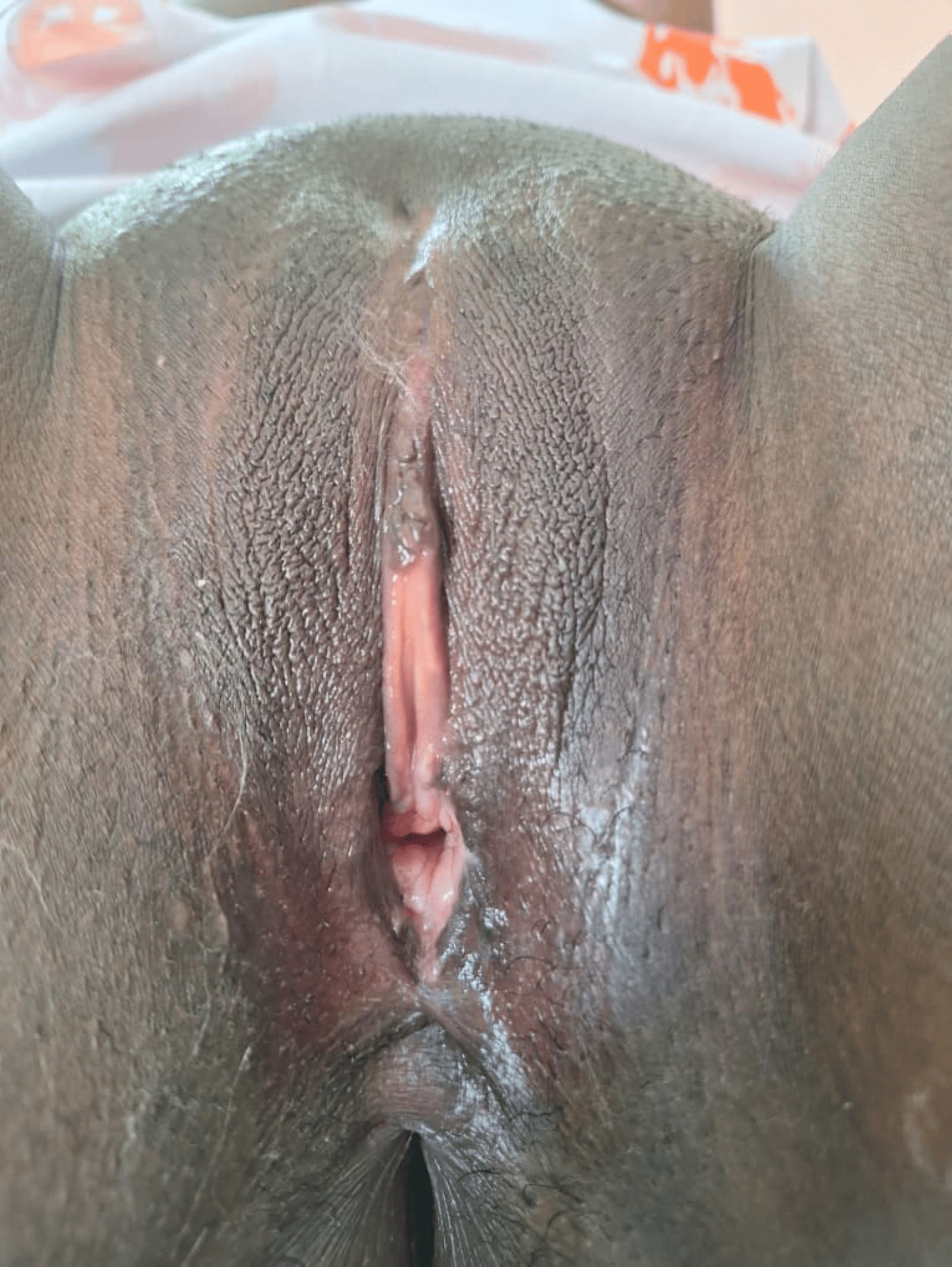
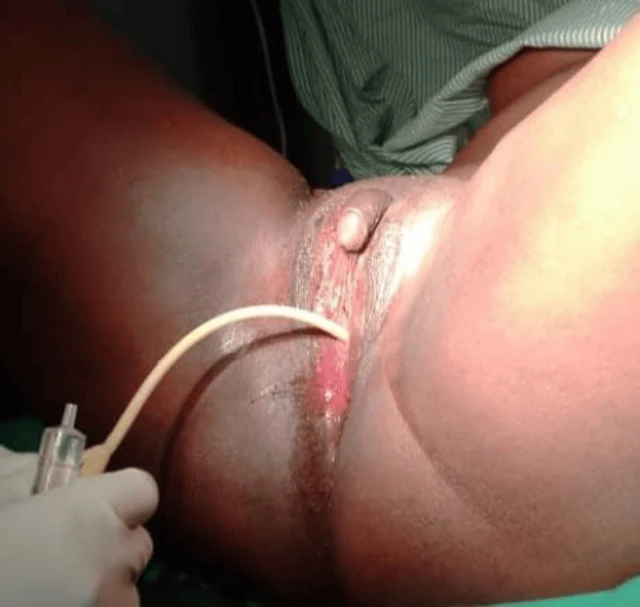
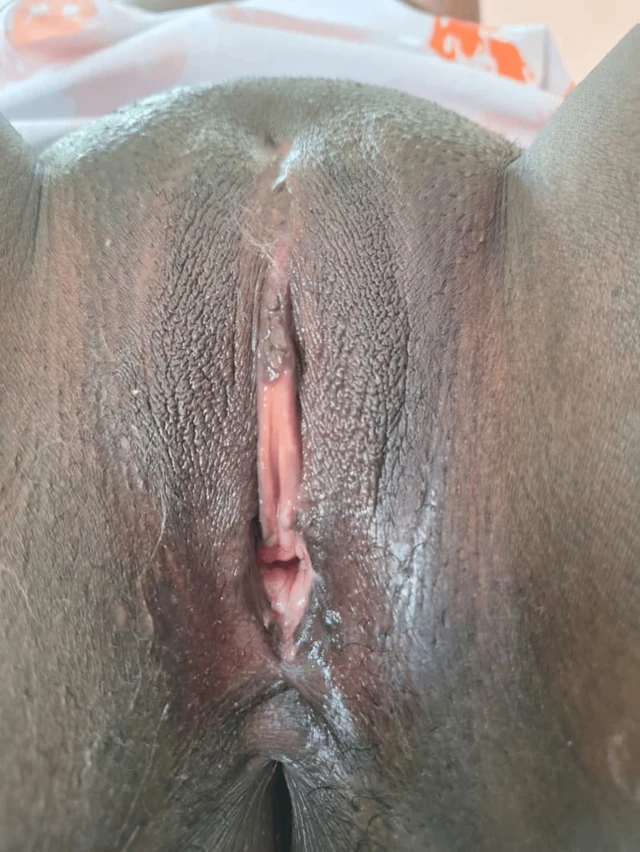
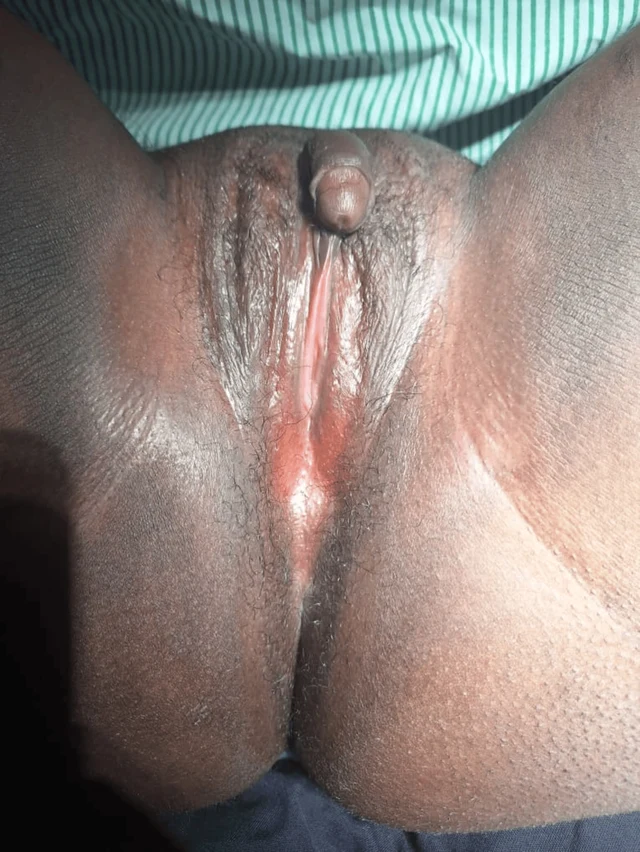
FIGURE 3: Case one six weeks post-surgery Case two A 25-year-old individual raised and socially recognized as male presented with progressive abdominal distension and lower abdominal pain of one year duration. During clinical evaluation, the patient disclosed the onset of virilization during adolescence, including the development of facial hair and a deepened voice, but also reported regular menstruation beginning at 15 years of age. The patient had been assigned male gender at birth because of the presence of a phallus, which had enlarged progressively with age. However, urine did not pass through the phallus. The patient identified socially as male and expressed a desire for relief from the abdominal swelling and cessation of menstruation. Both parents were deceased, and the patient was accompanied by a community health worker in whom he had previously confided. He had no formal education and survived on casual labor. On examination, the patient appeared chronically ill and wasted but demonstrated masculine body habitus, facial hair, a hoarse voice, smooth skin, and well-developed breasts. Vital signs were stable. Abdominal examination revealed gross distension with marked suprapubic tenderness. A large solid pelvic mass measuring approximately 18 × 10 cm was palpable, in addition to another irregular mass within the left lumbar region. Bilateral inguinal nodular swellings were also noted. Perineal examination demonstrated a phallus measuring approximately 6 × 3 cm without a urethral opening. A closed introitus with a small distal dimple was observed, through which urine was passed with straining in the lithotomy position. The stage, according to the Prader score, was 2. The anal opening was normally positioned. A provisional diagnosis of 2026 Ainomugisha et al.
Изображения · 3